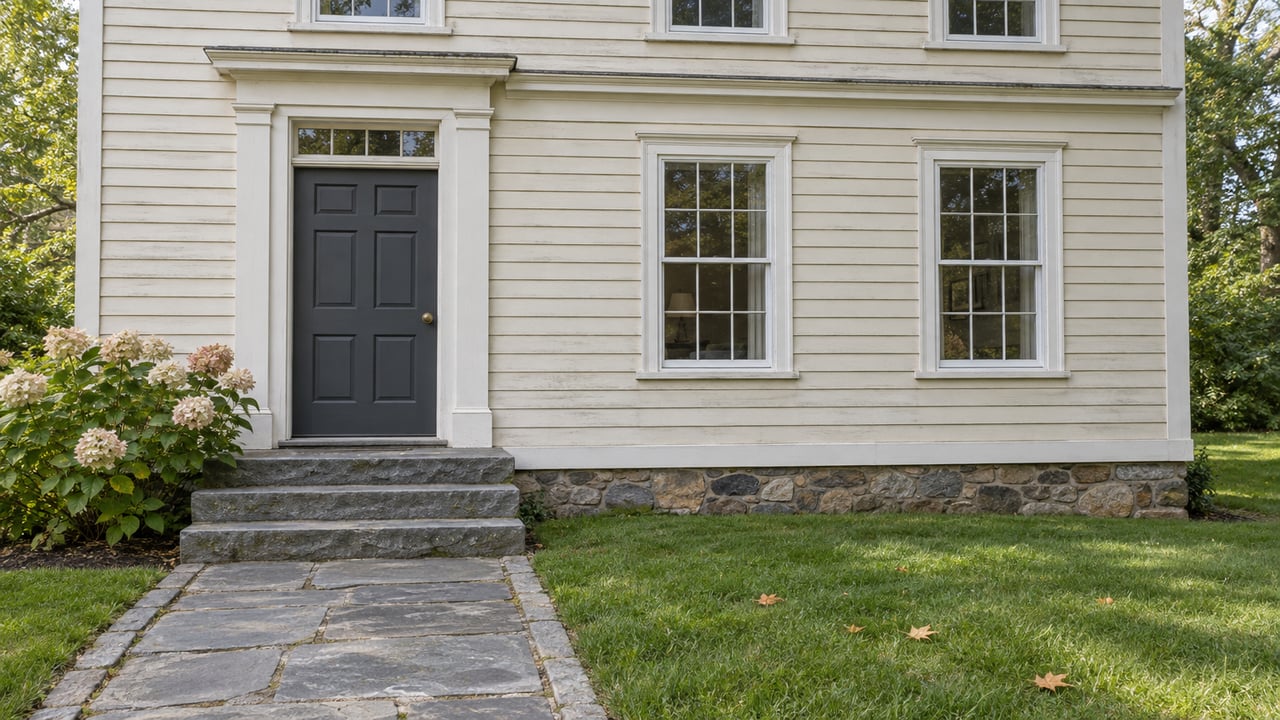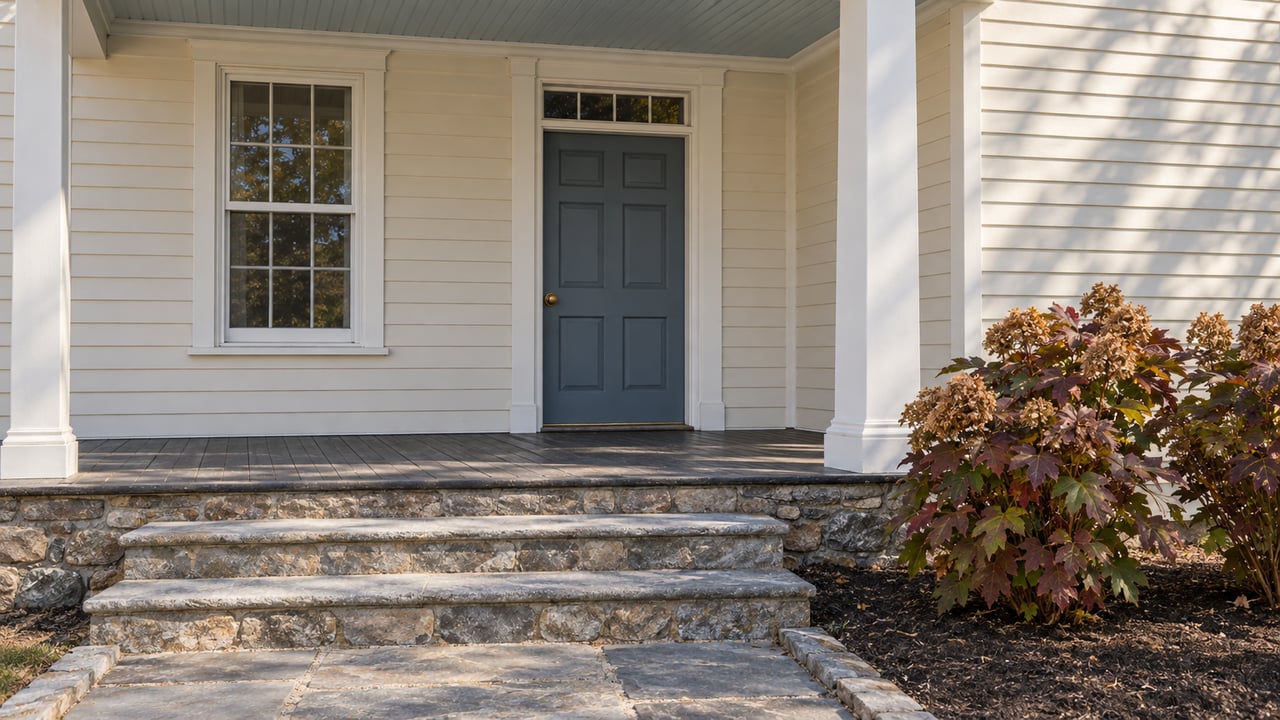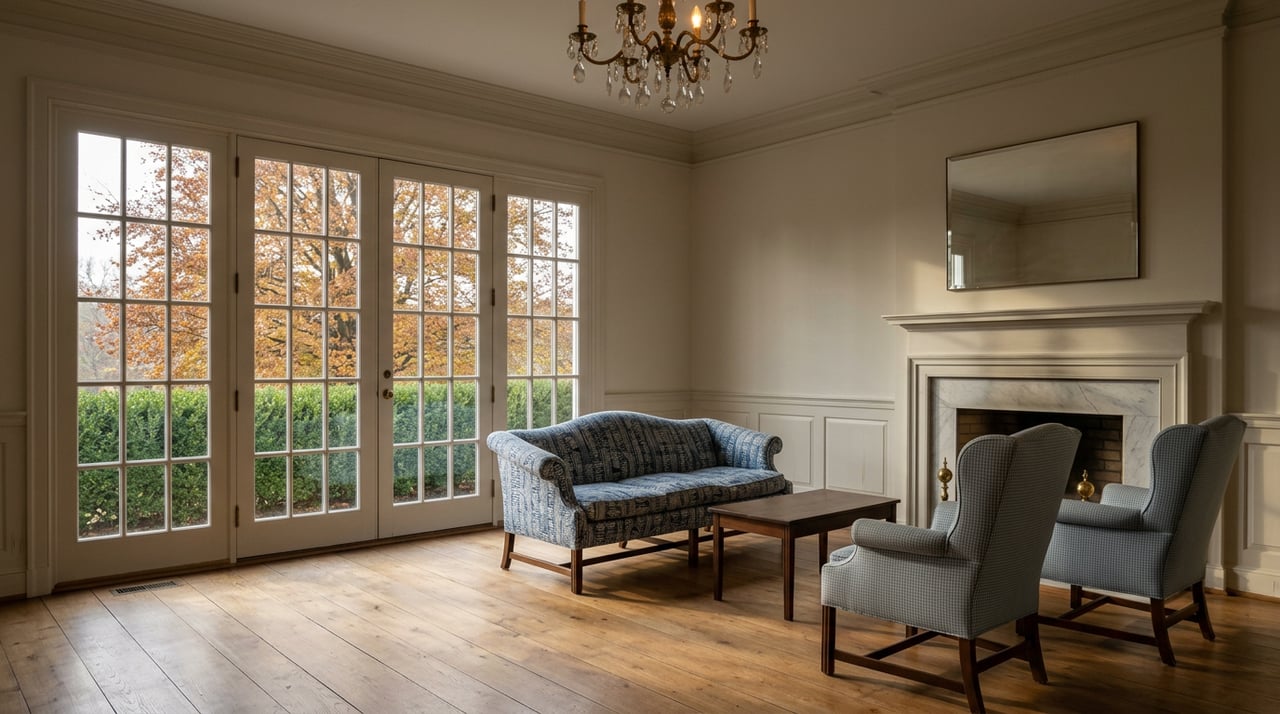
If you are considering selling a significant Millbrook estate, you may be asking a hard but important question: how do you protect privacy without sacrificing price? That concern is understandable, especially when a home carries history, visibility, or family legacy. The good news is that discreet selling and modern marketing can work together when the process is planned carefully. Let’s look at how a private, well-timed launch can help you move with confidence in Millbrook.
Why Millbrook Requires a Different Strategy
Millbrook is not a typical resale market. It is a small, historic village within the Town of Washington in Dutchess County, formally incorporated in 1895 and spanning about 1.9 square miles. That small footprint helps explain why estate sales here often require a more tailored approach than a standard countywide listing plan.
Recent market data also supports a precise strategy. Realtor.com reported a median listing price of $1.495 million in Millbrook in March 2026, with 29 active listings and a median 122 days on market. The same overview described Millbrook as a buyer’s market, with homes selling about 2.56% below asking on average in February 2026.
That matters because estate sellers are often operating in a narrow, high-value micro-market. In a setting like this, launch timing, pricing, presentation, and buyer targeting all carry more weight. A quiet start can be useful, but only when it fits into a larger plan for price discovery and controlled exposure.
What Discreet Selling Really Means
Discreet selling does not mean hiding your home from every potential buyer. In practice, it usually means controlling how and when information is shared. That can be especially helpful if you want to limit public attention, reduce casual traffic, or manage the release of photography and floor plans.
A privacy-first sale also needs to stay grounded in rules and process. National MLS policy describes an office exclusive as a listing a seller directs not to be disseminated through the MLS and not to be publicly marketed. The seller must also certify that they understand the MLS benefits they are waiving.
That is very different from simply delaying a broad public rollout. Delayed marketing generally means public marketing through IDX and syndication is postponed for a period defined by the local MLS. Since MLS rules can vary by marketplace, the exact structure needs to be handled carefully from the start.
Office Exclusive vs Coming Soon
For many Millbrook estate sellers, the key question is not whether to market privately or publicly. It is when each phase should happen. A thoughtful launch often works best when privacy is treated as an early phase, not the entire strategy.
Compass publicly describes a three-phase path: Private Exclusive, Coming Soon, and then the public market. According to Compass, Private Exclusives are accessible within its agent network, while Coming Soon expands visibility further before a home goes fully live. Compass also states that Private Exclusives can keep photos and floor plans within its trusted network and allow private showings instead of public open houses.
For a legacy property, that sequence can offer practical benefits:
- You can test early interest without a full public debut.
- You can gather feedback before final pricing is locked in.
- You can limit initial exposure while the home is being prepared.
- You can move toward broader visibility once presentation and timing are aligned.
The important point is balance. Privacy can protect the process early on, but broader exposure may still be needed later to preserve competition and support value.
Why Market Conditions Matter in Dutchess County
Millbrook does not exist in isolation. Countywide data helps frame what buyers may be seeing across Dutchess County while they evaluate a higher-end property in Millbrook.
Redfin reported that Dutchess County homes sold for a median of $488,000 in March 2026, with 64 median days on market and a 99.4% sale-to-list ratio. It also reported that 35.1% of homes sold above list price. Pattern for Progress reported a 2025 Dutchess County median sale price of $485,000, up 4.3% year over year, while noting that inventory across the Hudson Valley remains well below pre-pandemic levels.
This creates an interesting backdrop for estate sellers. The broader market still rewards well-positioned properties, but buyers can also be selective, especially when pricing moves ahead of the market. In that environment, a discreet launch works best when it is paired with realistic pricing, polished presentation, and a clear plan for when wider exposure should begin.
Preparing an Estate Without Oversharing
One of the biggest advantages of a staged launch is that it gives you time to prepare the home thoughtfully. That matters with larger country properties, historic residences, and homes with multiple structures or substantial grounds. You want the property to feel complete and compelling before it reaches a larger audience.
Compass Concierge is designed to front the cost of selected home-preparation services, with payment due at closing subject to program terms. Compass lists eligible services such as staging, flooring, painting, landscaping, decluttering, cosmetic renovations, moving and storage, and certain repairs. Compass also notes that fees or interest may apply depending on state and program terms, so it should be presented as a useful option, not a universal promise.
For many estate sellers, the strongest pre-listing improvements are the ones that sharpen presentation rather than alter the property’s character. Often that means work like:
- Interior painting in a clean, cohesive palette
- Select flooring updates or refinishing
- Landscape cleanup and seasonal planting
- Decluttering and storage coordination
- Staging key entertaining and bedroom spaces
- Addressing visible cosmetic wear
This kind of preparation can be especially effective during a quiet pre-market phase. Compass describes a workflow in which a property can begin as a Private Exclusive while work is underway, then move to Coming Soon as improvements near completion, and finally launch to the public market.
Disclosure Rules Still Apply
Privacy in marketing does not change your disclosure responsibilities. In New York, the Property Condition Disclosure Statement must be delivered to the buyer or buyer’s agent before a binding contract of sale, and the New York Department of State says the current form is required beginning July 1, 2025.
The form applies to residential real property improved by a one- to four-family dwelling, with stated exclusions such as condos, co-ops, unimproved land, and some HOA property not owned in fee simple by the seller. It is also clear that the form is not a warranty and does not replace inspections or tests. If you later learn information that makes the form materially inaccurate, you must update it unless title has already transferred or the buyer has taken occupancy.
For country and estate properties, this form asks about issues that are hard to overlook. Those include floodplain status, flood insurance, prior flood claims, wetlands, agricultural districts, landfill history, fuel storage tanks, radon, water source, water penetration, rot, termite or pest damage, and other known material defects.
That is why discretion should be understood as a marketing choice, not a compliance shortcut. You can limit public exposure, but you cannot use a quiet launch to avoid required disclosures.
Historic Homes Need Extra Care
In Millbrook, older homes are part of the area’s appeal and identity. They can also require more careful preparation before a sale. If an estate was built before 1978, federal lead-based paint disclosure rules apply to most housing of that era.
The EPA says buyers of most pre-1978 homes have the right to know whether lead-based paint hazards are known before they sign a contract. Sellers must disclose known information and provide available records. For owners of historic or long-held properties, it is wise to gather records early so the transaction can move smoothly when a serious buyer steps forward.
This is another reason a phased launch can help. While the property is being prepared and early marketing remains controlled, you can also organize disclosures, maintenance records, and other material information in a more orderly way.
How to Balance Privacy and Price Discovery
The strongest discreet sale strategies usually avoid extremes. If a property stays too private for too long, you may limit the buyer pool and weaken competitive tension. If it goes public too early, you may lose control over presentation, timing, and narrative.
A better approach is to treat privacy as part of a launch sequence. Start with controlled exposure if that matches your goals, prepare the property carefully, listen to feedback, and then decide whether a broader public release will better support price and terms. That kind of sequencing is especially important in Millbrook, where the buyer pool for a significant estate may be specialized and timing can influence results.
For many sellers, this process works best when it includes:
- A clear privacy plan from day one
- Early review of disclosure and property-condition issues
- Selective cosmetic preparation before broad release
- Pricing based on Millbrook’s estate-level realities, not broad assumptions
- A defined decision point for expanding market exposure
Why Local Stewardship Matters
Selling a Millbrook estate is rarely just a logistics exercise. These properties often carry architectural character, landscape value, family history, or long-term stewardship concerns. That is why local knowledge matters as much as modern marketing tools.
A team rooted in Millbrook can help you read the difference between general Dutchess County momentum and the smaller, more nuanced estate market in this village. Just as important, a local, full-service team can shape a launch that respects privacy while still giving your property the preparation and visibility it needs at the right time.
In a market where timing, discretion, and buyer targeting can all affect outcome, the process should feel measured rather than reactive. The goal is not simply to list an estate. The goal is to introduce it in a way that protects its story, supports its value, and reaches the right audience with care.
If you are weighing a private or phased sale in Millbrook, a confidential strategy conversation can help you decide what level of exposure, preparation, and timing best serves your goals. To begin that process, connect with Hudson Valley Team at Compass.
FAQs
What is an office exclusive listing in Millbrook?
- An office exclusive is a listing the seller directs not to be disseminated through the MLS and not to be publicly marketed, and the seller must acknowledge the MLS benefits being waived.
What is the difference between delayed marketing and Coming Soon for a Millbrook estate?
- Delayed marketing generally means public marketing is postponed for a period defined by the local MLS, while Compass describes Coming Soon as a pre-public phase that expands visibility before a full market launch.
Can you sell a Millbrook estate privately and still maximize value?
- In many cases, privacy works best as an early phase of the marketing plan rather than a permanent strategy, because broader exposure may still be needed to support competition and price discovery.
What home improvements are most useful before listing a Millbrook estate?
- Cosmetic and presentation-focused work such as painting, landscaping, decluttering, staging, flooring updates, and certain repairs are often the most practical pre-listing improvements.
What disclosures are required when selling a home in New York discreetly?
- New York’s Property Condition Disclosure Statement must still be delivered before a binding contract of sale for covered properties, even if the home is marketed quietly.
Do older Millbrook homes require lead-based paint disclosure?
- If the home was built before 1978, sellers of most such homes must disclose known lead-based paint information and provide available records before contract signing.