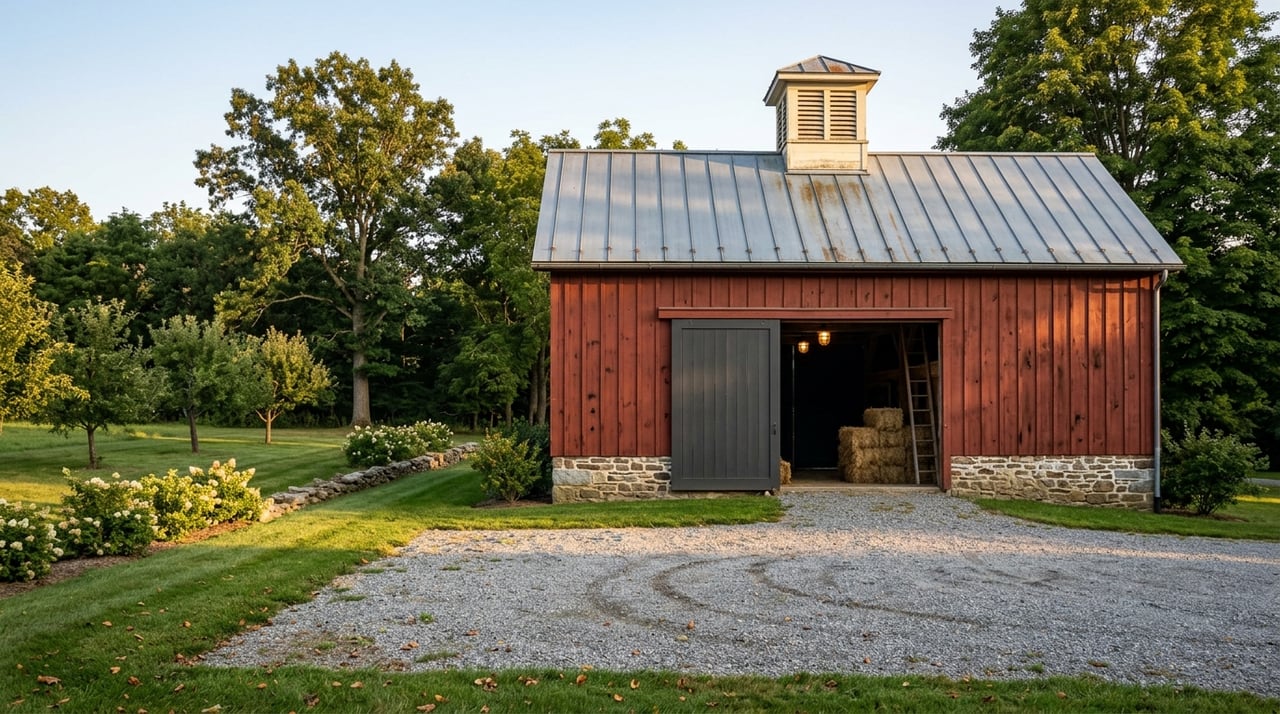
If you are dreaming about a small farm, a barn, and room to build a life in Amenia or Pine Plains, acreage alone will not tell you whether a property works. In this part of Dutchess County, the right parcel is usually defined by zoning, buildable area, access, water, and septic, not just the number on the deed. If you understand those moving parts before you buy, you can shop more confidently and avoid expensive surprises. Let’s dive in.
Why land buying is different here
Buying land or a hobby farm in Amenia and Pine Plains can look simple from the listing sheet. A parcel may show generous acreage, open views, and older farm structures, yet the actual homesite or agricultural use may be more limited than expected.
That is because local rules vary by municipality. Amenia, Pine Plains, and the Village of Millerton each have their own zoning code, so the first step is always confirming exactly where the parcel sits before you assess what can be built or how the land can be used.
Confirm the exact municipality first
A parcel near a town or village line may be governed by a different code than you expect. Amenia follows Chapter 121, Pine Plains follows Chapter 275, and the Village of Millerton follows Chapter 170, with its own zoning map and permitted uses.
That distinction matters right away. In Amenia, agriculture is permitted in every district, while single-family dwellings are permitted by right in some districts, allowed by special permit in others, and prohibited in the M district. In Millerton, agriculture is a permitted principal use in the R1A and LC districts.
Why zoning changes the value of acreage
The same 10-acre parcel can offer very different options depending on the zoning district and any overlay rules. Amenia uses overlays including floodplain, stream corridor, scenic protection, historic preservation, aquifer, soil mining, resort development, and mobile home park overlays.
Pine Plains also uses overlays, including Wellhead Protection, Agricultural Overlay, and Mining Overlay. Its bulk table shows that the R district has a 5-acre minimum lot area for residential use, which can shape whether a parcel fits your plans from the start.
Focus on usable acreage, not deeded acreage
One of the most important land-buying lessons in this market is that deeded acreage is not the same as usable acreage. A large parcel may include wetlands, floodplain, water features, or steep slopes that reduce where you can place a house, barn, driveway, paddock, or garden.
In Pine Plains, the 100-year floodplain, wetlands, and water bodies are excluded from minimum lot-area calculations. Land with slopes over 25% is also excluded, while land between 15% and 25% slope counts only in part.
Amenia applies its own limits. Wetlands are subtracted from lot-size calculations, and steep-slope rules apply to land over 15%. Disturbance on slopes of 30% or more is generally prohibited except in limited cases.
Think in terms of a buildable envelope
Instead of asking only, “How many acres is it?” ask, “Where can I actually build and farm?” That practical shift can save you time, money, and frustration.
A surveyor or engineer can help estimate the true buildable envelope after accounting for wetlands, floodplain, water bodies, and slope. For many buyers, that analysis is more useful than the deed description alone.
Rural siting matters in Amenia
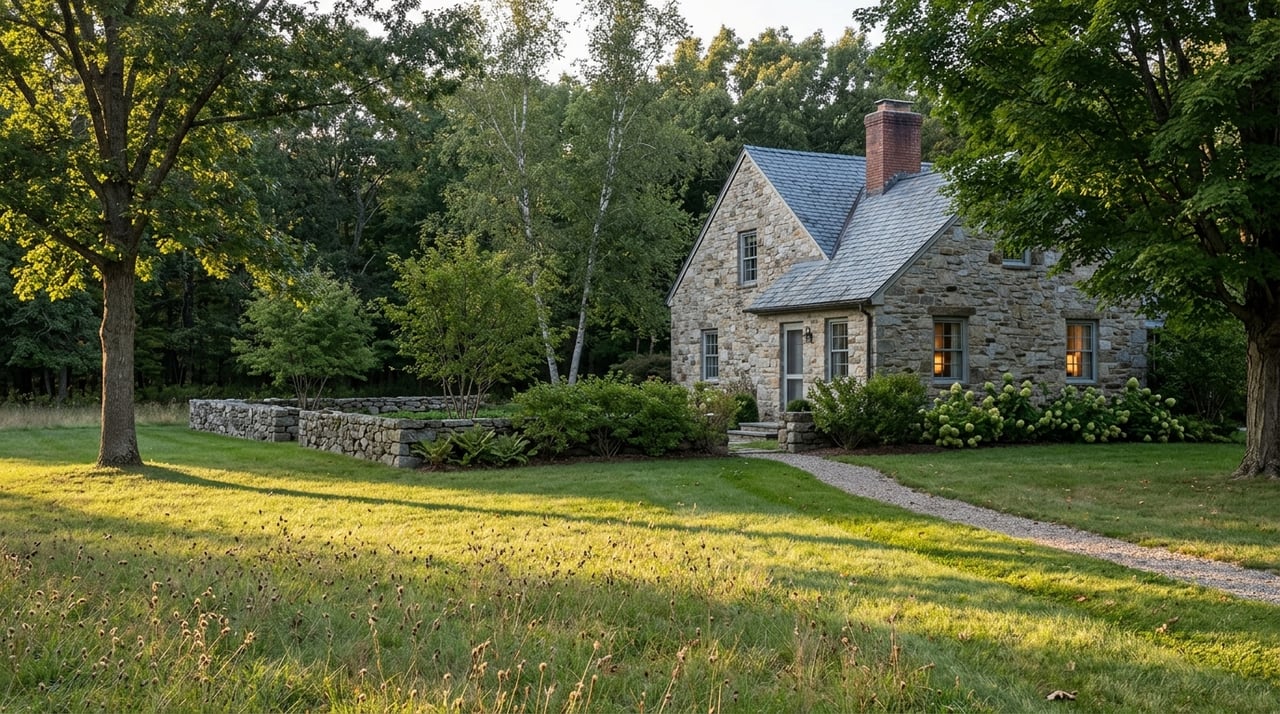
Amenia’s rural-siting standards offer a clear picture of how the town wants development to fit the landscape. The code encourages reuse of old farm roads and lanes, preservation of stone walls and hedgerows, and placement of buildings in ways that work with the land rather than flatten it.
The town also recommends minimizing steep-slope crossings, reducing road-edge clearing, and using vegetation and topography for screening. For a buyer, this means a parcel with a natural, sensible building area may be more functional than one that looks dramatic but requires major disturbance.
Agricultural overlays can affect your plans
If you are buying with hobby farming in mind, agricultural overlay rules deserve early attention. Pine Plains created its Agricultural Overlay to protect land in agricultural use, parcels with prime farmland soils, soils of statewide importance, and parcels within county agricultural districts.
In Amenia, the Planning Board must consider prime farmland soils, septic-suitable soils, drainage impacts, and access easements when reviewing development in or near agricultural districts. That makes it especially important to match your vision to the parcel’s physical and regulatory reality.
Check Agricultural District 21 early
Dutchess County’s Agricultural District Viewer shows the boundaries of Agricultural District 21. If a parcel is inside the district, that status can trigger notice, disclosure, and compatibility review requirements.
For buyers, this is less about alarm and more about preparation. It helps you understand from the beginning how the property fits into the area’s working agricultural landscape.
Access, utilities, water, and septic often decide the deal
Beautiful rural land can still fall short if access and infrastructure do not work. In many transactions, these are the true deal-breakers.
Pine Plains requires every building to have access to a public road or an approved private road. New roads and intersections must be approved by the Town Highway Department or Town Engineer, and unless waived by the Planning Board, all new utility lines must be placed underground.
Amenia points buyers toward a similar approach. Its standards encourage reuse of existing lanes and recommend using the flattest parts of the site for septic systems and parking while minimizing steep-slope crossings.
Septic and well feasibility should come early
Dutchess County requires lot approval through a New York State licensed Professional Engineer. Septic and well design are based on house size, topography, neighboring wells and septic systems, soil type, and depth to rock or groundwater.
The county also notes that if soil conditions or plan errors are discovered during pre-construction review, more lot evaluation may be needed before a building permit is recommended. In other words, feasibility is not something to assume.
Private wells need ongoing attention
Dutchess County says private wells are not regulated by the EPA, New York State, or the county health department in the same way public systems are, and homeowners are responsible for routine monitoring. The county recommends annual coliform testing and periodic maintenance.
It also warns that poorly maintained or poorly located septic systems can contaminate wells. For long-term ownership, this is part of the real cost of rural property.
Existing barns and structures need careful review
Older barns, sheds, and accessory buildings can add charm and utility, but buyers should confirm what is legal and properly permitted. That includes checking permits, certificates of occupancy, and whether a structure is conforming or nonconforming under current rules.
Pine Plains treats agricultural structures such as barns and silos more leniently by exempting them from height limits and, in agricultural districts, from lot-coverage limits. Amenia allows agricultural use broadly as well, but accessory structures, setbacks, and lot compliance still matter.
Public-facing farm uses are treated differently
A simple crop or animal operation may not face the same review as a visitor-oriented business. In Pine Plains, uses strictly tied to growing crops, raising animals, or storing farm machinery do not require site plan approval.
But farm worker housing and public-facing uses such as tasting rooms, wineries, distilleries, and farm markets do require site plan approval. If your dream includes hospitality or retail, confirm those requirements before you close.
Expect normal farm activity nearby
Lifestyle appeal often draws buyers to Amenia and Pine Plains, but rural living comes with working-land realities. Local disclosure rules make that clear.
Amenia requires disclosure to purchasers of residential development adjoining agricultural uses that farms may generate dust, odor, smoke, noise, and vibration. Pine Plains requires similar agricultural-district disclosure language on certain plans, warning that agricultural activities may create noise, dust, and odors.
For many buyers, that is part of the setting they want. It is still wise to understand those conditions upfront so your expectations match the place.
A practical checklist before you buy
Before you move forward on land or a hobby farm in Amenia or Pine Plains, make sure your team helps you verify the basics:
- Confirm the exact municipality and zoning district, including whether the parcel is actually in the Village of Millerton.
- Check whether the parcel is in Dutchess County Agricultural District 21 and whether overlay districts apply.
- Ask a surveyor or engineer to estimate the true buildable envelope.
- Have a qualified engineer review septic and well feasibility before closing.
- Verify road frontage, driveway location, private-road rights, and utility routing.
- Pull permits and certificates of occupancy for existing barns, sheds, and accessory structures.
- If you want visitor-facing farm use, confirm site plan or permit requirements before you commit.
- Budget for long-term maintenance such as well testing, septic pumping, drainage upkeep, fence repair, and driveway maintenance.
Why preparation matters most
The best land purchases in this part of Dutchess County tend to be the ones where the details line up early. When zoning, access, water, septic, slope, and agricultural-district status all support your goals, you are in a much stronger position to buy with confidence.
That is especially true for country properties that carry both lifestyle appeal and long-term stewardship responsibilities. A thoughtful review upfront helps you protect your investment and choose a property that truly fits how you want to live.
If you are considering land or a hobby farm in Amenia, Pine Plains, or nearby northern Dutchess County, Hudson Valley Team at Compass can help you evaluate properties with the local context and discretion these purchases deserve.
FAQs
What should you check first when buying land in Amenia or Pine Plains?
- Confirm the exact municipality, zoning district, and any overlay districts before evaluating what can be built or how the land can be used.
How does usable acreage differ from deeded acreage in Pine Plains and Amenia?
- Usable acreage may be reduced by wetlands, floodplain, water bodies, and steep slopes, so the acreage on the deed may not reflect the actual buildable or farmable area.
Do you need septic and well review before buying rural land in Dutchess County?
- Yes. Dutchess County requires lot approval through a licensed engineer, and septic and well feasibility should be reviewed before closing.
Are hobby farms allowed in Amenia and Pine Plains?
- Agriculture is broadly protected in both towns, but the exact permitted uses and review requirements depend on the parcel’s zoning district, overlays, and whether the use is purely agricultural or public-facing.
Can you add a farm market or tasting room on a Pine Plains property?
- Possibly, but visitor-facing uses such as farm markets, wineries, distilleries, and tasting rooms require site plan approval in Pine Plains.
What ownership costs should you expect with a rural property in Dutchess County?
- Plan for ongoing well testing, septic pumping, drainage upkeep, brush control, fence repair, and lane or driveway maintenance.