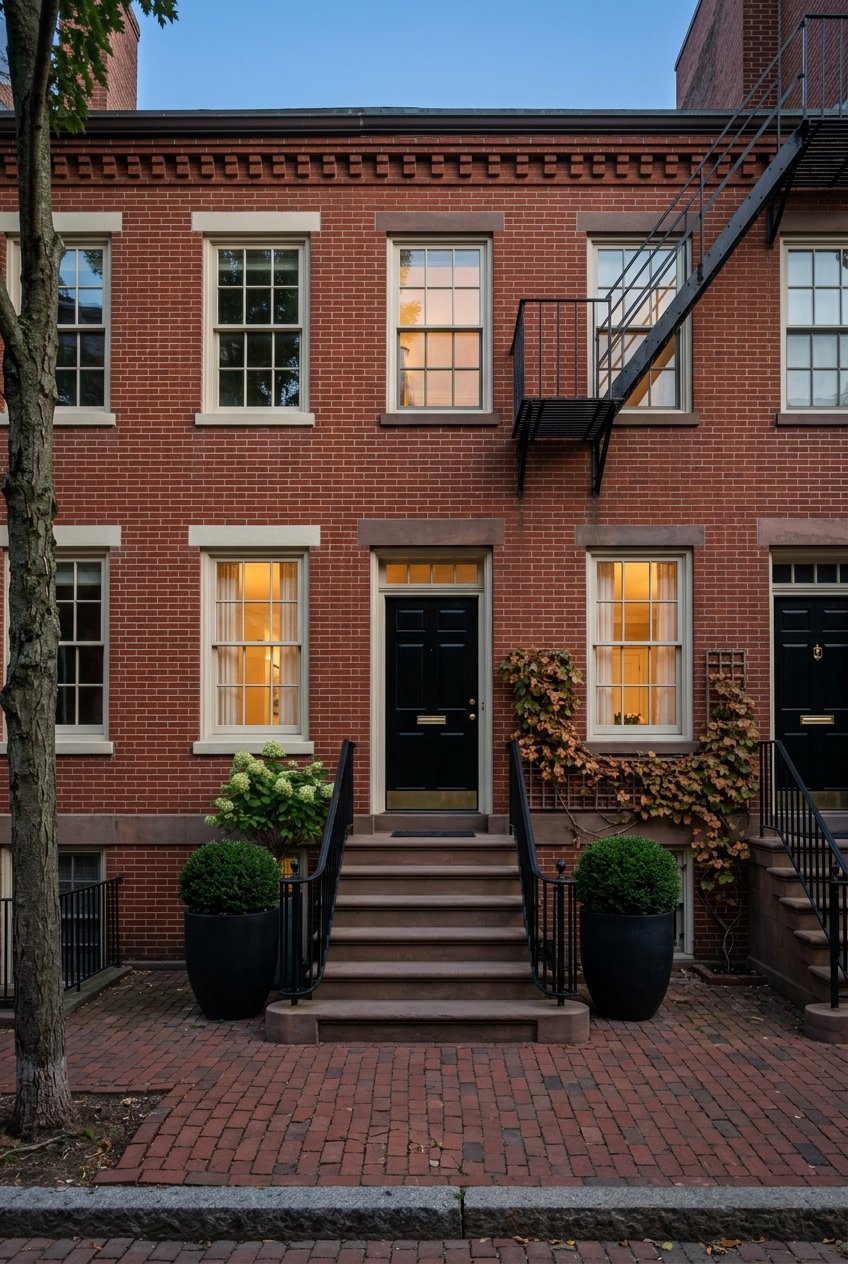
If you are drawn to places with real character, Hudson stands out quickly. In just over two square miles, this small Columbia County city brings together historic architecture, a lively dining and design scene, and active access to the Hudson River. If you are wondering what daily life here actually feels like, this guide will walk you through the rhythm of Hudson and why it continues to attract both full-time residents and weekend buyers. Let’s dive in.
Why Hudson Feels Distinct
Hudson is the county seat of Columbia County, with an estimated 2024 population of 5,735 residents packed into a compact 2.16 square miles, according to Columbia County’s fact sheet. That small-city scale shapes nearly everything about life here.
You are not dealing with a spread-out destination where the highlights sit miles apart. Instead, Hudson offers a concentrated experience. Historic blocks, daily errands, galleries, restaurants, and waterfront viewpoints all sit within a setting that feels manageable, walkable, and visually cohesive.
The city’s underlying layout helps explain that feeling. The National Register documentation for Hudson notes that the city was founded in 1783 on the east bank of the Hudson River and laid out on a narrow grid that still structures the city today.
Warren Street Shapes Daily Life
If you want to understand Hudson, start with Warren Street. It was originally planned as the city’s major transportation link to the river and the commercial core, and it still functions as Hudson’s working spine.
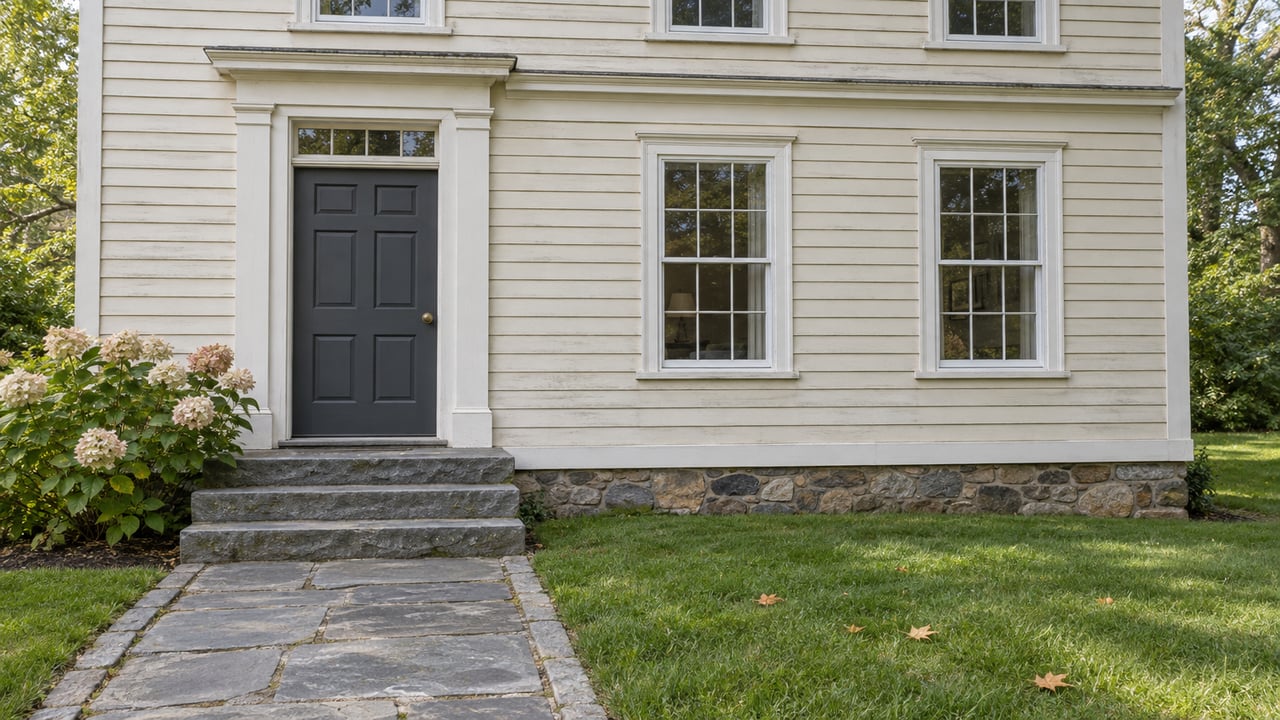
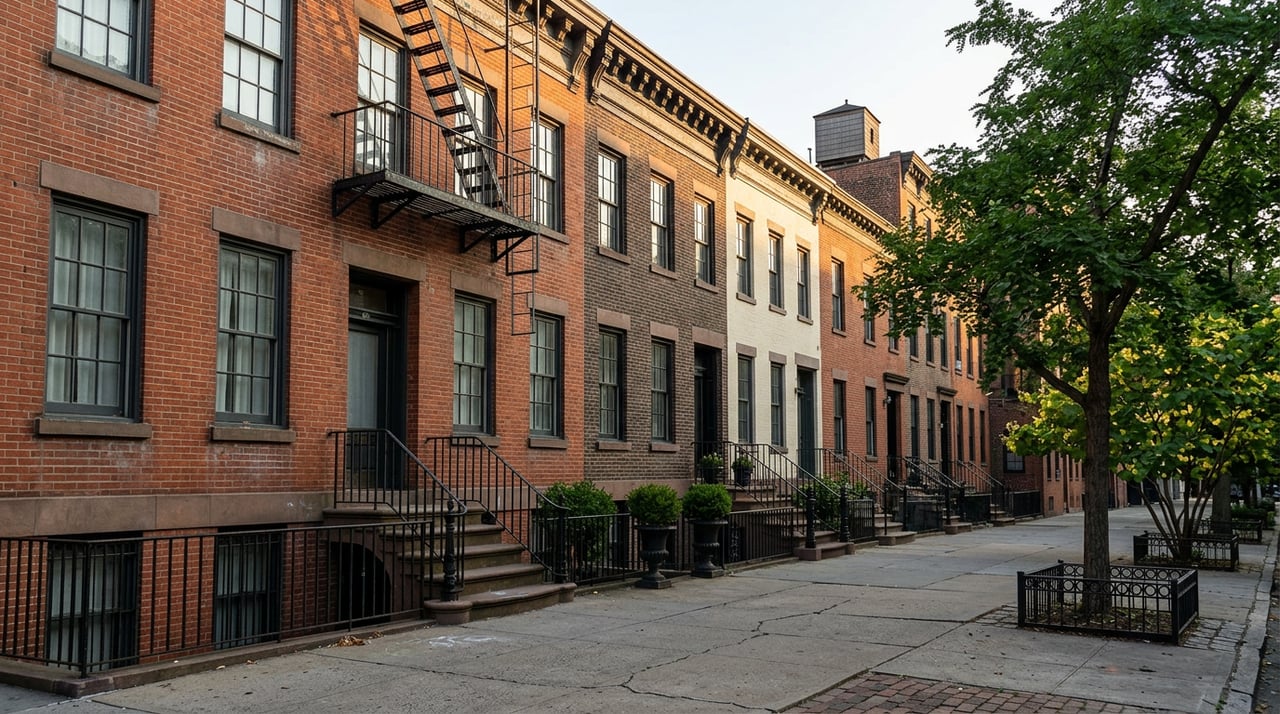
That matters because Hudson does not read as a preserved backdrop alone. The historic district includes a strong mix of commercial, public, industrial, and residential buildings dating from 1783 to 1935, and the city survey found an unusually intact nineteenth- and early twentieth-century built environment, according to the National Register nomination.
For you as a resident or buyer, that translates into a downtown that feels layered rather than staged. On a typical day, you can move between coffee, shopping, dining, and cultural stops while staying within a few memorable blocks.
Design and gallery culture
Hudson has earned a reputation for style, and Warren Street is a big reason why. The Columbia County Tourism visitor guide highlights a concentration of local galleries and design-oriented destinations on Warren Street, including Caldwell Gallery Hudson, Peter Jung Fine Art, Carrie Haddad Gallery, Davis Orton Gallery, and PJ Modern Art.
This kind of concentration gives the city a polished but approachable energy. Even if you are not shopping for art every weekend, you still benefit from living in a place where storefronts, interiors, and streetscapes reflect a strong design point of view.
Dining in a compact downtown
One of Hudson’s biggest lifestyle advantages is convenience. Because Warren Street remains a true commercial corridor, dining and retail are part of everyday life here, not just part of a visitor experience.
That makes Hudson especially appealing if you want a place where you can park the car and spend the rest of the afternoon on foot. The setting supports everything from a quick midweek dinner to a full Saturday of browsing shops, meeting friends, and walking home through a historic streetscape.
Hudson Hall Adds Cultural Depth
A great town center is even stronger when it includes lasting cultural institutions. Hudson has that in Hudson Hall, located at 327 Warren Street.
Its Performance Hall is New York State’s oldest surviving theater, built in 1855 and restored in 2017. That detail says a lot about Hudson. This is not simply a place with attractive old buildings. It is a city that has maintained and renewed meaningful public and cultural spaces over time.
For buyers considering a home in Hudson, that kind of infrastructure matters. It adds year-round texture to daily life and reinforces the city’s identity as a place where arts, history, and community life continue to intersect.
Riverfront Living Is Part of the Appeal
Hudson’s riverfront is more than scenery. It is an active part of local life, which gives the city a balance that many small historic downtowns do not have.
At Henry Hudson Riverfront Park, Columbia County Tourism notes seasonal programming such as Waterfront Wednesdays. The park also serves as the home base for Hudson Paddles, which offers paddleboard rentals, kayaking, canoeing, and tours.
That means your connection to the river can be as relaxed or as hands-on as you want it to be. Some days, it may mean watching the light change over the water. Other days, it may mean planning a paddle or joining a seasonal event by the shoreline.
Promenade Hill views
For a quieter river experience, Promenade Hill stands out. The historic nomination describes it as open space at the river’s edge with dramatic views of the Hudson River and the Catskill Mountains.
Those views are part of what gives Hudson its sense of place. You are not just living near a main street with strong architecture. You are also living in a landscape where the river and mountain backdrop remain part of the everyday visual experience.
Hudson Connects to a Bigger Landscape
One of the most appealing things about Hudson is that it feels complete on its own while also sitting inside a broader cultural and scenic network. That wider setting strengthens its appeal for both full-time living and second-home ownership.
The Hudson River Skywalk links Olana State Historic Site and the Thomas Cole National Historic Site. Together, these landmarks help explain why this part of the region is so closely tied to the Hudson River School and to the long history of scenic preservation.
For you, that means Hudson can offer both an intimate daily routine and easy access to significant regional destinations. It is one of the reasons the city can feel sophisticated without losing its small scale.
Why Buyers From Cities Look Closely at Hudson
Hudson’s appeal to New York City and Boston area buyers is not hard to understand. It combines a compact historic city, a dense arts-and-dining corridor, river access, and rail service in one place.
Amtrak’s Hudson station page confirms service to Hudson, making the city practical for buyers who want a weekend place, a hybrid-work base, or a home that offers easier access to the city without depending on a daily car-centered routine.
Digital connectivity also matters. Census figures cited in the research report show that 92.0% of households have a computer, 88.3% have broadband, and 43.3% of adults age 25 and older hold a bachelor’s degree or higher. For remote and hybrid workers, those details support Hudson’s reputation as a place where smaller-scale living does not necessarily mean giving up modern convenience.
What Daily Life in Hudson Can Look Like
The strongest case for Hudson is not one single attraction. It is the way several lifestyle elements come together in a small, usable footprint.
You can spend a morning walking historic blocks, an afternoon browsing galleries or meeting friends on Warren Street, and an evening heading toward the river for open views and seasonal activity. That blend of design, culture, and outdoor access is hard to replicate.
For buyers focused on lifestyle, Hudson offers a rare mix:
- A compact and walkable historic city plan
- A well-defined commercial and dining corridor on Warren Street
- A visible arts and gallery presence
- Active riverfront spaces and scenic overlooks
- Rail access that supports weekend or hybrid-use living
- Proximity to major regional cultural landmarks
Why Hudson Continues to Hold Attention
Hudson does not rely on one identity alone. It is historic, but it is also active. It is small, but it has real cultural infrastructure. It is visually distinctive, yet still practical for daily living.
That combination is why the city continues to draw interest from buyers looking for more than a simple weekend escape. If you want a home base with architectural character, a strong sense of place, and access to both downtown energy and riverfront calm, Hudson deserves a serious look.
If you are considering a move, a second home, or a strategic purchase in Columbia County, the Hudson Valley Team at Compass can help you evaluate opportunities with local insight and a thoughtful, discreet approach.
FAQs
What is daily life like in Hudson, NY?
- Daily life in Hudson often centers on its compact layout, with historic blocks, shops, galleries, dining, and river access all contributing to a walkable small-city feel.
What makes Warren Street important in Hudson?
- Warren Street was originally planned as Hudson’s main transportation link to the river and commercial core, and it remains the city’s central corridor for shopping, dining, and cultural activity.
Does Hudson, NY have riverfront access?
- Yes. Hudson offers active riverfront access through Henry Hudson Riverfront Park, seasonal waterfront programming, and water-based recreation such as kayaking, canoeing, and paddleboarding.
Is Hudson a good fit for weekend or second-home buyers?
- Hudson can appeal to weekend and second-home buyers because it combines rail access, a compact downtown, riverfront amenities, and nearby cultural landmarks in one location.
What cultural attractions are near Hudson, NY?
- Hudson includes local destinations like Hudson Hall and also sits near the Hudson River Skywalk, which connects Olana State Historic Site and the Thomas Cole National Historic Site.
Why do buyers consider living in Hudson, Columbia County?
- Buyers often look at Hudson for its preserved architecture, concentrated dining and gallery scene, usable riverfront, and the convenience of a small city with regional access.