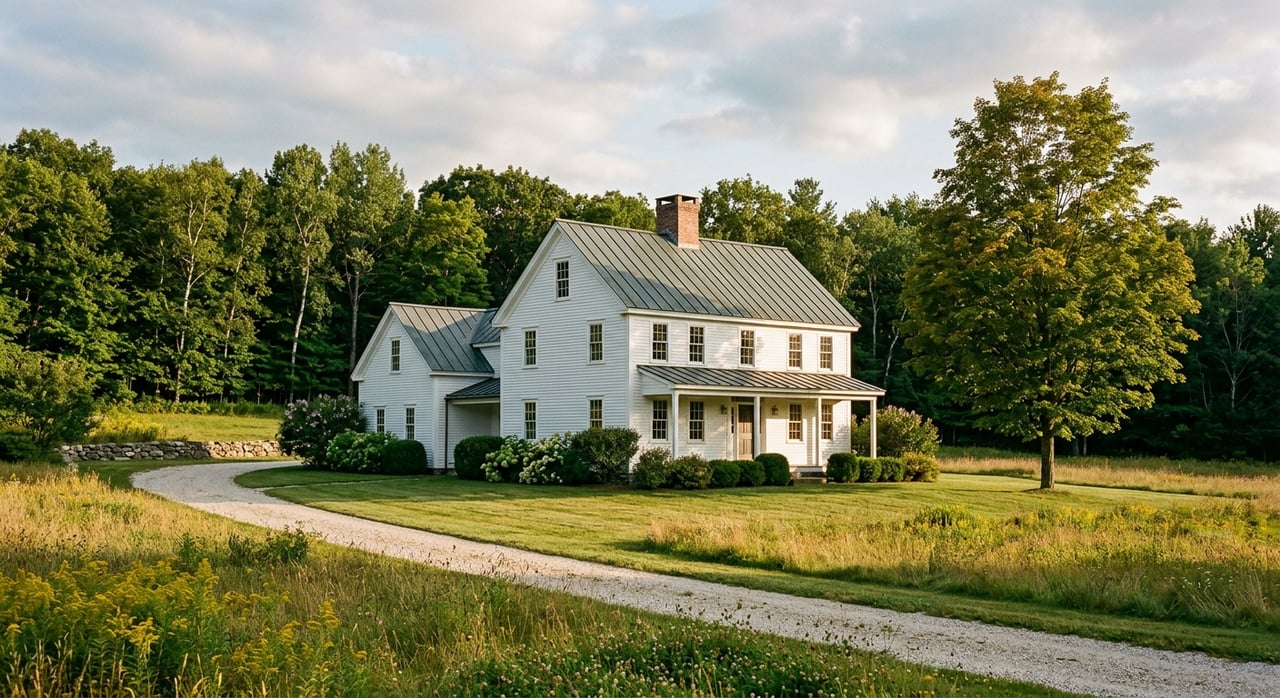
Looking for a country home in Columbia County can feel simple at first glance, until you realize that not all rural properties offer the same land, setting, or long-term potential. In Ancramdale and Hillsdale, the appeal is not just the house itself. It is the relationship between the home, the acreage, the road network, and the surrounding agricultural landscape. If you are trying to understand what makes this corner of southern Columbia County distinct, this guide will help you read the landscape more clearly. Let’s dive in.
Why Ancramdale and Hillsdale stand apart
Ancramdale and Hillsdale are best understood as a rural submarket shaped by hamlets, farms, wooded parcels, and scenic roads rather than a continuous built-up corridor. Ancram sits in southeastern Columbia County, while Hillsdale is farther east along the Massachusetts border. In both areas, settlement patterns are defined by smaller clusters surrounded by larger agricultural and open-space blocks.
That distinction matters when you begin comparing listings. A home here is often part of a broader setting that includes fields, stone walls, mature trees, barns, and long views. If you are searching for privacy, legacy character, or a property with a stronger connection to the land, this part of Columbia County often delivers that in a way more suburban markets do not.
The road network shapes the experience
In rural markets, roads tell you a lot about how a place functions. Hillsdale is organized in part around Route 23 and Route 22, which its planning materials describe as a tourism crossroads. Ancram’s planning framework centers more on Route 82, Route 7, Route 8, and scenic-corridor protections.
For you as a buyer or seller, that means access and atmosphere can vary significantly from one property to the next. Some homes feel closely tied to hamlet activity and regional travel routes, while others are tucked deeper into back-road settings where quiet, topography, and views become the main story. Understanding that difference is essential when evaluating value.
What kinds of homes you will find
Much of the housing stock in this area leans older and more individual in character. In Hillsdale’s historic hamlet district, there are 82 historic structures representing styles such as Federal, Greek Revival, Gothic Revival, Italianate, Picturesque, and Second Empire. The district also includes farm barns, carriage barns, and English-barn forms.
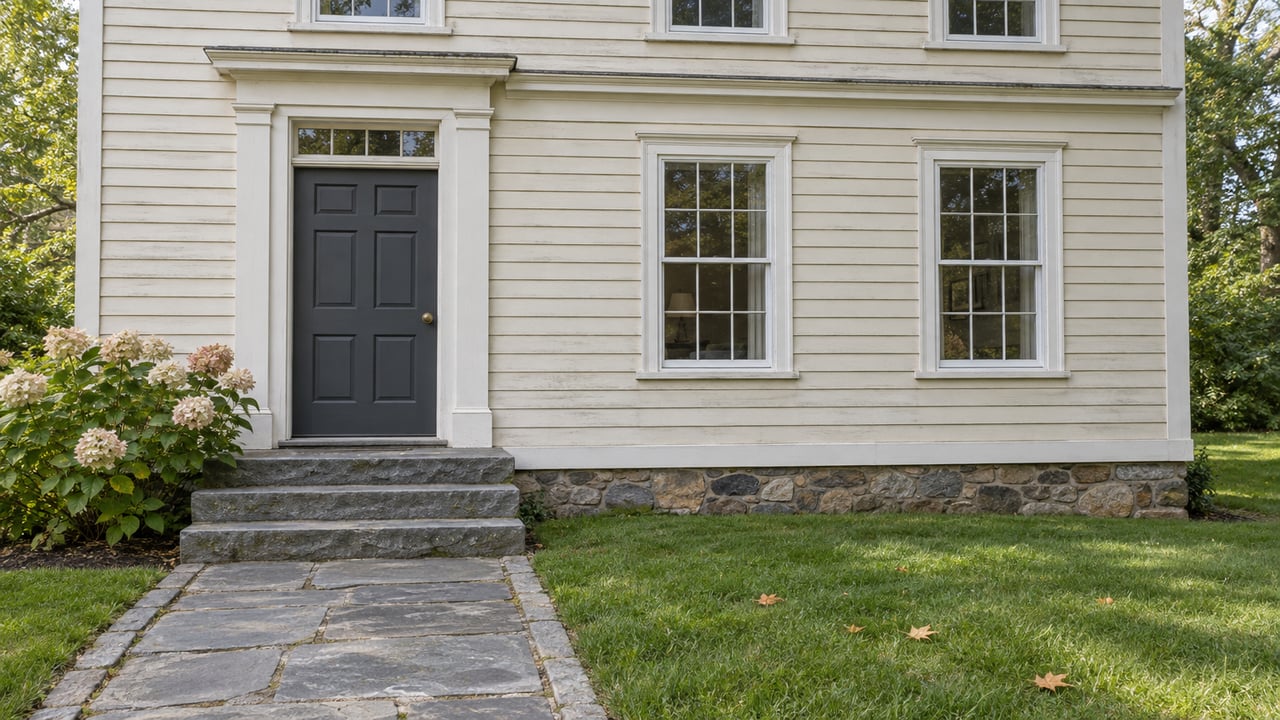
Ancram’s planning documents describe a traditional rural landscape of farmhouses, barns, outbuildings, mature-tree roads, stone walls, deep setbacks, and small irregular fields. They also note early 20th-century Craftsman and Cape-style houses. Taken together, that points to a market defined more by historic homes, renovated farmhouses, and former working compounds than by newer tract development.
Barns and outbuildings are part of the value
In Ancramdale and Hillsdale, outbuildings are not just extras. They often help define how a property lives and how it may be used. Barns, carriage structures, and accessory buildings can shape everything from visual appeal to storage, hobby farming, and flexible work or recreation space.
That said, not every barn adds value in the same way. Condition, usability, siting, and how the structure relates to the overall parcel all matter. In this market, buyers often respond strongly to intact farm compounds, but they also look closely at upkeep, practicality, and whether the improvements feel authentic to the setting.
Farming still matters here
This is not a market where agriculture exists only as a backdrop. According to the USDA’s 2022 county profile, Columbia County had 444 farms, 79,391 acres in farms, and $111.2 million in product sales. The same profile shows a balanced farm economy, with a 52/48 crop-livestock split, 26% direct-to-consumer sales, and 5% organic farms.
Ancram’s conservation planning documents show how varied local operations remain, including dairy, beef, poultry, goats, sheep, horses, vegetables, grains, fruit, flowers, and feed crops. For you, that means the surrounding landscape often remains active and productive. The open views you admire may be supported by real agricultural continuity, not just vacant land.
Land quality matters as much as the house
One of the most important lessons in this market is that acreage is not all equal. A 20-acre parcel with usable fields, workable access, and favorable topography may function very differently from a larger property shaped by steep slopes, wetlands, or difficult septic conditions. In Hillsdale, planning materials specifically note that large slopes, rocky soils, wetlands, and water bodies can constrain development, and the town identifies 751 acres of DEC wetlands.
Ancram’s land-use approach also reinforces careful stewardship. Its comprehensive plan includes open-space subdivision designs that protect at least 60% of a parcel, an average density of one home per 3.5 acres outside hamlets, and site-plan review aimed at steering development away from farmland and environmentally sensitive areas. For buyers, this means due diligence on the land itself is often as important as evaluating the residence.
Open space is part of the market appeal
The value of country property here comes from the interaction of land and legacy. Preserved fields, wooded edges, scenic roads, and rural setbacks create a sense of openness that many buyers are specifically seeking. That character is not accidental. It is supported by local planning priorities around farmland, groundwater, ridgelines, and open-space conservation.
This helps explain why properties in Ancramdale and Hillsdale can feel scarce even when the broader county offers inventory at different price points. In a market where setting carries so much weight, the most compelling properties tend to be the ones where the house and the landscape feel inseparable.
Historic character can bring added considerations
If you are drawn to historic homes in this area, it helps to understand both the charm and the practical implications. Older houses may offer original proportions, craftsmanship, and a stronger sense of place, but they can also involve more thoughtful review around maintenance, improvements, and preservation-sensitive decisions.
There may be financial upside as well. Hillsdale notes that National Register listing can make some properties eligible for tax incentives, and Ancram’s historic-district information includes homeowner tax-credit guidance for qualifying Ancramdale properties. For some buyers and owners, that can become part of the long-term stewardship strategy.
Recreation supports the lifestyle
The lifestyle story here extends beyond the property line. Ancram highlights resources such as Drowned Land Swamp, Weed Mine Taghkanic State Park, local fishing access, and the Harlem Valley Rail Trail. Hillsdale’s Roeliff Jansen Park adds trails, barns, a farmers market, and rail-trail access on preserved former farmland.
For many buyers, these features deepen the appeal of a country purchase. They support a rhythm of living tied to outdoor access, seasonal patterns, and working landscapes. That can be especially meaningful if you want a home that feels connected to the wider region, not isolated from it.
What the Columbia County market says now
The broader county market helps frame why these properties draw sustained attention. New York State tax data shows Columbia County’s median residential sale price at $485,000 in 2025, up from $438,750 in 2024. Pattern for Progress, using a different dataset, reported a 2025 Columbia County median sale price of $527,450, up 9.9% year over year.
While the exact number varies by source, both datasets point in the same direction: values rose. Pattern for Progress also reported 269 new listings in Columbia County in 2025, down 11.5% from 2024. In practical terms, that supports the idea of a market where desirable rural properties remain limited.
Scarcity is driven by place, not growth alone
Columbia County’s 2025 population estimate was 60,168, which is down 2.3% from the 2020 base, and the county’s owner-occupied housing rate was 76.3%. That suggests demand in places like Ancramdale and Hillsdale is not simply a story of population growth. Instead, it appears more closely tied to scarcity, privacy, acreage, and the enduring appeal of established rural landscapes.
That is an important distinction if you are thinking strategically. In a market like this, exceptional properties tend to command attention because they are hard to replicate. The combination of older housing stock, agricultural continuity, open views, and conservation-minded land use creates a supply that stays naturally limited.
How to evaluate a country home here
If you are considering a purchase in Ancramdale or Hillsdale, it helps to look beyond finishes and room count. Focus on how the property functions as a whole and how its setting supports long-term enjoyment and value.
Key things to study include:
- Road access and travel pattern
- Topography and usable land
- Wetlands and environmental constraints
- Septic feasibility and infrastructure
- Barn and outbuilding condition
- Field layout, tree cover, and view corridors
- Historic status or preservation context
- Relationship to hamlets, trails, and recreation
For sellers, those same factors often shape marketing strategy. The strongest presentation usually explains not just what the property is, but how the land, improvements, and setting work together.
Why local interpretation matters
Country homes in this part of Columbia County rarely fit into a simple checklist. Two houses with similar square footage may have very different market positions based on setting, acreage quality, historic value, and the feeling of arrival. That is why local interpretation matters so much in both pricing and search strategy.
For buyers, the right guidance helps you understand whether a property’s appeal is mostly cosmetic or rooted in lasting land value. For sellers, it helps translate a complex asset into a clear market story that resonates with the right audience. In Ancramdale and Hillsdale, that story is often about stewardship, scarcity, and the enduring pull of a well-sited country property.
If you are considering a sale or beginning a search in southern Columbia County, Hudson Valley Team at Compass offers discreet, place-based guidance for country homes, farms, and legacy properties.
FAQs
What makes Ancramdale and Hillsdale different from other Columbia County markets?
- Ancramdale and Hillsdale are defined by hamlets, farms, open space, and older housing stock, with value often tied as much to land quality and setting as to the house itself.
What types of homes are common in Ancramdale and Hillsdale?
- You will often find older farmhouses, renovated historic homes, barns, carriage structures, and former working farm compounds rather than large areas of newer tract housing.
Why does land quality matter so much for country homes in Hillsdale and Ancramdale?
- Topography, wetlands, rocky soils, septic feasibility, and usable open land can all affect how a property functions, what can be built or improved, and how it is valued.
Are farming and agriculture still active in Columbia County?
- Yes. USDA data for 2022 shows Columbia County had 444 farms and more than 79,000 acres in farms, reflecting an active agricultural landscape.
Can historic homes in Hillsdale or Ancramdale qualify for tax benefits?
- Some properties may be eligible for tax incentives or homeowner tax-credit programs, according to local historic-district information from Hillsdale and Ancramdale.
Is the Columbia County market still competitive for rural properties?
- The county’s median sale price increased in 2025 according to both New York State tax data and Pattern for Progress, while new listings reported by Pattern for Progress declined year over year.